
Enerģētikas politika. Pārbaudām deputātu kandidātu teikto LTV debatēs

Re:Check sadarbībā ar sabiedriskajiem medijiem pārbauda deputātu kandidātu teikto LTV priekšvēlēšanu diskusiju ciklā “Izvēlies nākotni”. Katrā tematiskajā diskusijā aicina piedalīties 12 sabiedriskās domas aptaujās populārāko partiju kandidātus. Pārbaudām viņu izteikumu atbilstību faktiem.
Vēršam uzmanību uz tādiem faktoloģiskiem apgalvojumiem, kas ir pārbaudāmi un saskaņā ar mūsu secināto nav taisnība (apgalvojums neatbilst patiesībai, tam nav pierādījumu, izteikuma autors melo vai neapzināti maldina); drīzāk nav taisnība (apgalvojumā ir kripata patiesības, taču nav ņemti vērā būtiski fakti un/vai konteksts, līdz ar to izteikums ir maldinošs); puspatiesība (apgalvojums satur gan patiesu, gan nepatiesu informāciju, daļa faktu ir noklusēta) vai kuriem trūkst konteksta (tiek salīdzinātas nesalīdzināmas lietas, izteikums ir pretrunā ar paša iepriekš teikto vai darīto vai trūkst būtiskas papildu informācijas).
Diskusijā 18. septembrī kandidāti debatēja par enerģētikas politiku. Iekavās aiz kandidātu vārdiem norādīts, cik problemātiskus apgalvojumus viņu teiktajā konstatējām. Diskusijas atšifrējumu lasiet šeit.
Piedalījās Raimonds Čudars no Jaunās Vienotības, Ilze Indriksone no Nacionālās apvienības, Ivars Zariņš no Saskaņas, Jānis Dinevičs (1) no Zaļo un zemnieku savienības, Skaidrīte Ābrama (1) no Progresīvajiem, Andris Kulbergs (1) no Apvienotā saraksta, Juris Pūce no Attīstībai/Par!, Pāvels Kuzmins (1) no Stabilitātei!, Normunds Grostiņš no Latvijas Krievu savienības, Krišjānis Feldmans (1) no Konservatīvajiem, Vilis Krištopans (2) no Latvija pirmajā vietā, Aivars Strakšas no Katrai un katram.
Skaidrīte Ābrama (Progresīvie): Paldisku terminālim nav valsts atbalsta
Nav taisnība
Ābrama sacīja, ka Progresīvie iebilstu, ja plānotajam sašķidrinātās gāzes terminālim “varētu būt kāds valsts atbalsts”. Viņa sacīja, ka tā var būt tikai privāta iniciatīva tāpat kā topošajā Paldisku terminālī Igaunijā. Arī pēc iebildēm, ka valsts Paldisku termināli atbalsta, viņa uzsvēra: “Nav Paldiskos valsts atbalsta!”
Tā nav taisnība. Lai gan Igaunijas valdība nefinansē termināļa būvi, augusta beigās tā nolēma projektu atbalstīt ar valsts garantijām. Valdības lēmums paredz par 38 miljoniem eiro palielināt valsts rezervju jeb Valsts krājumu centra pamatkapitālu, garantējot termināļa izmantošanu sašķidrinātās gāzes piegādei, ziņo Igaunijas sabiedriskais medijs ERR. Centra komunikācijas speciālists Martins Jasko Re:Check skaidro, ka garantija būs pārdošanas iespējas līgums. Vienošanās detaļas patlaban tiek izstrādātas.
Ābrama Re:Check atzina, ka par šādu atbalstu nav zinājusi, taču skaidroja, ka “Paldisku LNG tomēr ir cits biznesa modelis, par privātiem līdzekļiem uzsākts un attīstīts, un valsts garantijas tiek saņemtas jau nobeiguma fāzē iespējamo risku novēršanai.” Proti, tas neesot salīdzināms ar valsts atbalstu, kas tiek sniegts jau no paša projekta sākuma, pret ko Skultes termināļa gadījumā iebilstot Progresīvie. Jāpiebilst gan, ka, piemēram, Progresīvo premjera kandidāts Kaspars Briškens izteicies pret jebkāda veida valsts atbalsta piešķiršanu terminālim, tajā skaitā pret “jebkādām valsts iepirkuma garantijām”.
Krišjānis Feldmans (Konservatīvie): vajag skatīties Latvijas televīziju
Drīzāk nav taisnība
Stabilitātei! pārstāvis Pāvels Kuzmins pārmeta informācijas trūkumu saistībā ar dabasgāzes iegādēm: “Piemēram, Igaunija savā laikā visu nopublicējuši, mēs varam paskatīties, cik par ko un kur ko nopirka. Kāpēc Latvijā to neizdarīja, kāpēc tā ir slepena lieta, kāpēc parasti cilvēki to nezina?” Feldmans viņam teica, ka “Krievijas televīzija to neraida” un “vajag skatīties Latvijas televīziju”.
Taču Kuzminam lielā mērā ir taisnība, jo atbildīgās iestādes nav sniegušas skaidru, atklātu un savlaicīgu informāciju par to, kad, no kuriem uzņēmumiem un par kādu cenu gāze Latvijas vajadzībām ir iepirkta.
Latvenergo martā informēja, ka iepircis divas teravatstundas dabasgāzes, norādot tikai valstis, no kurām tā piegādāta – Katara, Norvēģija un ASV. Jūnijā Ekonomikas ministrija (EM) skaidroja, ka Latvenergo veicis jaudas rezervācijas, lai saņemtu dabasgāzes piegādes no Klaipēdas LNG termināļa, taču konkrēti iegādes apjomi esot uzņēmuma komercinformācija, kas nav izpaužama publiski. Vasarā EM vairākkārt atkārtoja, ka Latvijai gāzes pietiks, taču par piegādātājiem un cenām informācija netika sniegta. Augusta beigās valdība piešķīra 193 miljonus eiro no līdzekļiem neparedzētiem gadījumiem. Kā tad skaidroja ekonomikas ministre, nauda paredzēta, lai iegādātos 0,9 teravatstundas no Latvenergo par jaudām, kas iepriekš iegādātas valdības uzdevumā. Arī šajā gadījumā netika sniegta informācija, kad un no kā gāze pirkta.
Salīdzinājumam šā gada jūlija vidū uzņēmums Igaunijas Gāze informēja, ka ir noslēdzis aptuveni 300 miljonu eiro vērtu līgumu ar Norvēģijas uzņēmumu Equinor par divu teravatstundu sašķidrinātās dabasgāzes iegādi. Uzņēmums skaidroja, ka šis līgums un iepriekš nopirktais ļauj valsti nodrošināt ar gāzi līdz gada beigām.
Vilis Krištopans (LPV): HES iegūst elektrību zem centa par kilovatstundu
Nav taisnība
Krištopans līdzīgi kā vairāki citi deputātu kandidāti kritizēja Nord Pool biržu, aicināja no tās izstāties un sacīja: “Kā tas var būt, ka Ķegumā iedzīvotājs, kurš dzīvo blakus Ķeguma HES, kur iegūst elektrību zem centa par kilovatstundu, maksā 40 vai 50 pat centus par kilovatstundu?” Viņš arī teica: “Nord Pool īpašnieki Euronext – mums nav zināmi pat akcionāri. Es mēģināju šodien atrast patiesā labuma guvējus – nav!”
Vai HES saražotās elektrības kilovatstundas pašizmaksa ir mazāka par centu? Latvenergo pārstāve Ivita Bīdere Re:Check konkrētu skaitli nenosauca, taču pauda, ka tā ir ievērojami augstāka. Viņa skaidro, ka izmaksas ietver gan drošuma un ražošanas jaudu uzturēšanu, gan HES rekonstrukcijas programmu, gan dabas resursu nodokli, “kura izmaksas vien jau pārsniedz minētās izmaksas par kilovatstundu”.
Nord Pool birža augsto elektroenerģijas cenu kontekstā pēdējā laikā nereti tiek kritizēta par neskaidriem cenas veidošanās principiem un pārāk lielām to svārstībām. Taču nav tiesa, ka nav zināmi uzņēmuma Euronext akcionāri. Tie ir uzskaitīti uzņēmuma interneta vietnē.
Krištopans uzsvēra HES kā potenciāli zemas elektrības cenas nodrošinātāju vietējiem patērētājiem, taču kontekstam būtiski, ka kopumā gada laikā HES saražotā lētā elektroenerģija spēj nosegt tikai aptuveni 30% Latvijas patēriņa.

No atlikušā liela daļa tiek saražota, izmantojot dabazgāzi Latvenergo termostacijās. Šī elektroenerģija ir dārga, turklāt dabasgāzes trūkuma dēļ tagad šīs stacijas pašlaik tiek darbinātas minimāli. Turklāt kopumā Latvija pēdējos gados saražojusi tikai ap 75% no valstī patērētā, līdz ar to ir nepieciešama biržas dotā iespēja elektrību importēt. Tāpat birža arī nodrošina iespēju elektroenerģiju eksportēt, ja tā atsevišķos mēnešos palu laikā paliek pāri. Kāpēc tas vajadzīgs, Sabiedrisko pakalpojumu regulēšanas komisija skaidro šeit.
Jānis Dinevičs (ZZS): puse Zviedrijas nav zem Nord Pool
Nav taisnība
ZZS pārstāvis Dinevičs, kritizējot Latvijas dalību Nord Pool biržā, diskusijā norādīja, ka “puse Zviedrijas ir zem Nord Pool, puse nav.” Taču tā nav tiesa. Zviedrijā ir četras cenu zonas, tātad cenas valsts iekšienē dažādos reģionos atšķiras, bet tās visas ir Nord Pool biržā.
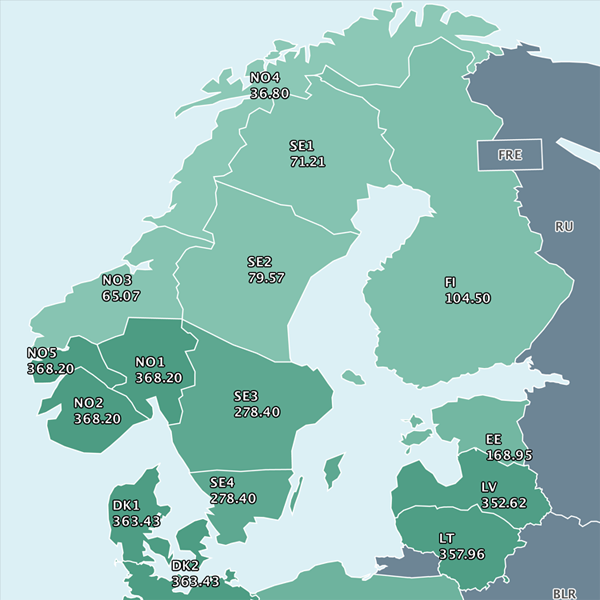
Sabiedrisko pakalpojumu regulēšanas komisija (SPRK) savā mājas lapā skaidro, ka elektroenerģijas ražošanas lielākās jaudas koncentrējas Zviedrijas ziemeļos (cenu zona SE1 un SE2), jo tur ir daudz hidroresursu lētākas elektroenerģijas ražošanai. Tikmēr lielākais patēriņš ir valsts dienvidos (cenu zona SE3 un SE4), “bet pārvades līnijām nav tik lielas jaudas, lai visu lētāk saražoto elektroenerģiju no ziemeļiem vienmērīgi pārvadītu pa visu Zviedriju.” SPRK tāpat norāda, ka arī Dānijā un Norvēģijā elektroenerģijas cenas blakus zonās dažkārt var atšķirties pat 40 un vairāk reižu.
Vilis Krištopans (LPV): mums vienalga bija dārgāka elektroenerģija
Drīzāk nav taisnība
Diskusijas laikā izvērtās strīds par Nord Pool biržu. Progresīvo kandidāte Ābrama teica, ka birža bija izdevīga, kamēr energoresursu cenas bija zemes. Krištopans nepiekrita, sakot, ka “mums vienalga bija dārgāka enerģija nekā citās valstīs”. Viņš arī apgalvoja, ka Latvija par elektroenerģiju maksāja “vairāk nekā Lietuva un Igaunija.”
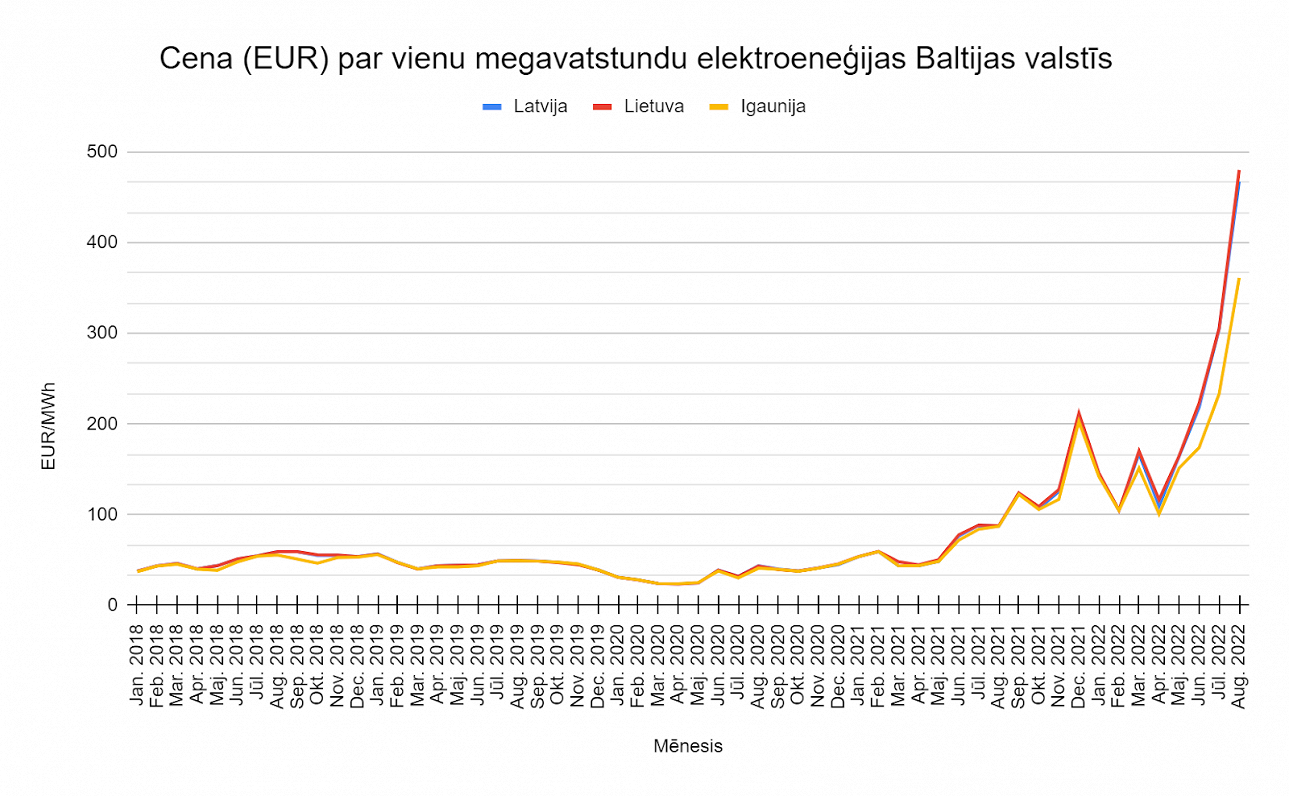
Krištopanam nav taisnība. Pēc Nord Pool datiem redzams, ka energocenu pieaugums Baltijas valstīs sākās aptuveni 2021. gada jūnijā. Dati rāda, ka, piemēram, no 2018. gada līdz 2021. gada jūnijam elektroenerģijas cenas visās trīs Baltijas valstīs bija ļoti līdzīgas. Būtiska atšķirība novērojama kopš energocenu kāpuma 2021. gada vidū – Latvijā cena par vienu megavatstundu bijusi zemāka nekā Lietuvā, bet augstāka nekā Igaunijā. Skatoties arī gadu mērogā, no 2014. līdz 2021. gadam Latvijā elektroenerģijas cena katru gadu bijusi augstāka nekā Igaunijā, bet zemāka nekā Lietuvā (izņēmums ir 2019. un 2020. gads, bet atšķirība ir tikai pāris centi).
Eurostat datos atrodama informācija par mājsaimniecību un citu patērētāju elektroenerģijas cenām, ņemot vēra nodokļus un nodevas. Piecos gados līdz energocenu kāpumam 2021. gada vidū neatkarīgi no patēriņa gan mājsaimniecībām, gan juridiskajiem klientiem kilovatstunda elektroenerģijas maksājusi mazāk nekā vidēji ES/EEZ valstīs. Tiesa, ka šajā laika posmā Latvijā mājsaimniecības maksājušas vairāk nekā Igaunijā un Lietuvā. Savukārt juridiskiem patērētājiem cenu atšķirību starp valstīm galvenokārt nosaka elektroenerģijas patēriņš. Tiem, kas patērējuši zem 20 tūkstošiem megavatstundu, Latvijā bijis jāmaksā vairāk. Turpretim, skatoties uz patēriņu, kas lielāks par 20 tūkstošiem megavatstundu, viennozīmīgas tendences nav un atsevišķos periodos Latvijā cena ir bijusi mazāka nekā vienā vai abās kaimiņvalstīs.
Andris Kulbergs (AS): mēs metam naudu visiem
Drīzāk nav taisnība
Debatēs runāja par atbalstu iedzīvotājiem elektrības rēķinu apmaksā. Ekonomikas ministre Ilze Indriksone (NA) skaidroja ideju 100 pirmās kilovatstundas noteikt par zemāku maksu, ko valsts palīdzētu kompensēt. Pēc viņas teiktā, tas būtu mērķētākais veids mājsaimniecībām, kas tērē mazāk, jo tās esot trūcīgākas. Kulbergs no Apvienotā saraksta pauda, ka jāiemācās noteikt, kas valstij ir trūcīgs cilvēks un kam ir nepieciešama nauda: “Mums ir jāiemācās arī noteikt, kas tad valstij ir trūcīgais un kam ir nepieciešama šī nauda. Mēs neesam vēl joprojām no visiem reģistriem to identificējuši. Mēs metam naudu visiem.”
Līdz šim atbalsts energoresursu cenu krīzē paredzēts gan visiem iedzīvotājiem, gan arī papildus atbalsts būs mazāk aizsargātām sabiedrības grupām inflācijas kompensēšanai. Augustā valdība atbalstīja daļēju energoresursu cenu pieauguma segšanu mājsaimniecībām. Paredzēts daļēji kompensēt energoresursu sadārdzinājumu par centralizēto siltumapgādi, dabasgāzi, elektroenerģiju apkurei, koksnes granulām un briketēm, arī izdevumiem par malku. Vienlaikus atbalstīja arī valsts pabalstu septiņu mēnešu garumā sociāli mazāk aizsargātiem iedzīvotājiem: senioriem, cilvēkiem ar invaliditāti, apgādnieku zaudējušajiem. Atkarībā no pensijas, atlīdzības vai sociālā nodrošinājuma pabalsta cilvēki papildu saņems 10, 20 vai 30 eiro mēnesī. Piemēram, ar pensiju no 301 līdz 509 eiro atbalsts būs 10 eiro mēnesī, bet, ja pensija ir līdz 300 eiro, tad paredzētais atbalsts būs 30 eiro mēnesī. Tāpat paredzēts paplašināt mājokļa pabalstu saņēmēju loku – arī šis atbalsta veids ir mājsaimniecībām ar zemiem ienākumiem. Nav arī tiesa, ka valsts neprot noteikt trūcīgas personas.
Pāvels Kuzmins (Stabilitātei!): Rīgā ir otra dārgākā elektrība Eiropā
Drīzāk nav taisnība
Kuzmins stāstīja, ka “Rīgā ir otra dārgākā elektrība Eiropā.” Sarakstē ar Re:Check viņš skaidroja, ka informāciju smēlies no kāda Bloomberg raksta, par Eiropas elektroenerģijas cenām Eiropas galvaspilsētās. Pašā rakstā Rīga nav pieminēta, bet Kuzmins savu apgalvojumu balsta uz aprēķiniem, ko esot veicis pats, izmantojot Elektrum tarifu kalkulatoru.
Bloomberg rakstā minētie dati nāk no ziņojuma, ko kopīgi izstrādājuši Austrijas valdības elektrības un gāzes regulatorā aģentūra E-Control, Ungārijas enerģijas un sabiedrisko pakalpojumu regulatorā aģentūra MEKH un konsultācijas firma VaasaETT. Ziņojumā atšķirībā no Bloomberg raksta Rīga ir iekļauta un pēc elektroenerģijas cenām atrodas 12. vietā no ziņojumā norādītajām pilsētām (ES valstu galvaspilsētām, Oslo un Kijivu). Pēc viņu aprēķiniem Rīgā augustā dzīvojamo māju elektroenerģijas galapatērētājiem cena bija 0,3526 EUR/KWh.
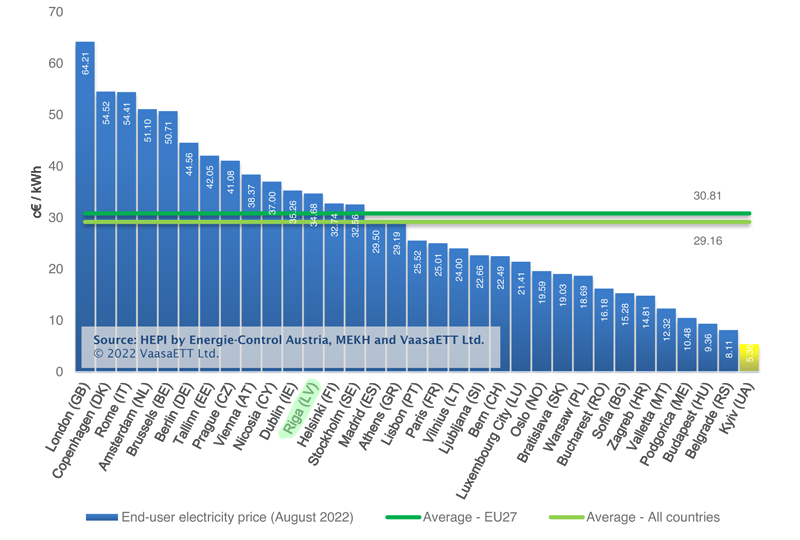
Ziņojumā valstis pēc šā kritērija salīdzina, ņemot vērā arī valstu iedzīvotāju pirktspēju standartu – teorētisku vienību, kas katrā valstī var nopirkt vienu un to pašu daudzumu preču un pakalpojumu. Šajā gadījumā Latvija ir ceturtajā vietā ES galvaspilsētu vidū.
Kuzmins Re:Check skaidroja, ka esot lasījis šo ziņojumu, bet “reālas dzīvēs situācija ir tāda, ka Rīgā šo cenu, kas ir norādītā pētījumā, nav iespējams dabūt ne pie vienā tirgotāja.” Kuzmins stāstīja, ka, gatavojoties debatēm, salīdzinājis ziņojuma un reālos tarifus – dati neesot sakrituši tikai Latvijas gadījumā.
Jāpiebilst, ka arī citi dati, piemēram, Eurostat un Nord Pool nerāda, ka Latvijā būtu otra dārgākā elektrība Eiropā.

Visu atbildību par Eiropas Mediju un informācijas fonda (EMIF) atbalstīto saturu uzņemas materiālu autori. Tam nav jāatspoguļo vai tas nav jāuztver kā EMIF vai fonda partneru – Calouste Gulbenkian fonda un Eiropas Universitātes institūta – viedoklis.
The sole responsibility for any content supported by the European Media and Information Fund lies with the author(s) and it may not necessarily reflect the positions of the EMIF and the Fund Partners, the Calouste Gulbenkian Foundation and the European University Institute.
NEATKARĪGAI ŽURNĀLISTIKAI VAJAG NEATKARĪGU FINANSĒJUMU
Ja Jums patīk Re:Baltica darbs, atbalstiet mūs!
Konts: LV38RIKO0001060112712
 Tagad ziedo arī ar Mobilly! Lai to izdarītu, lietotnes ziedojumu sadaļā atrodiet mūsu zīmolu un sekojiet tālākajām norādēm.


